


What Is the Best Time to Lay Pavers on the Sunshine Coast?
Updated: Mar 17
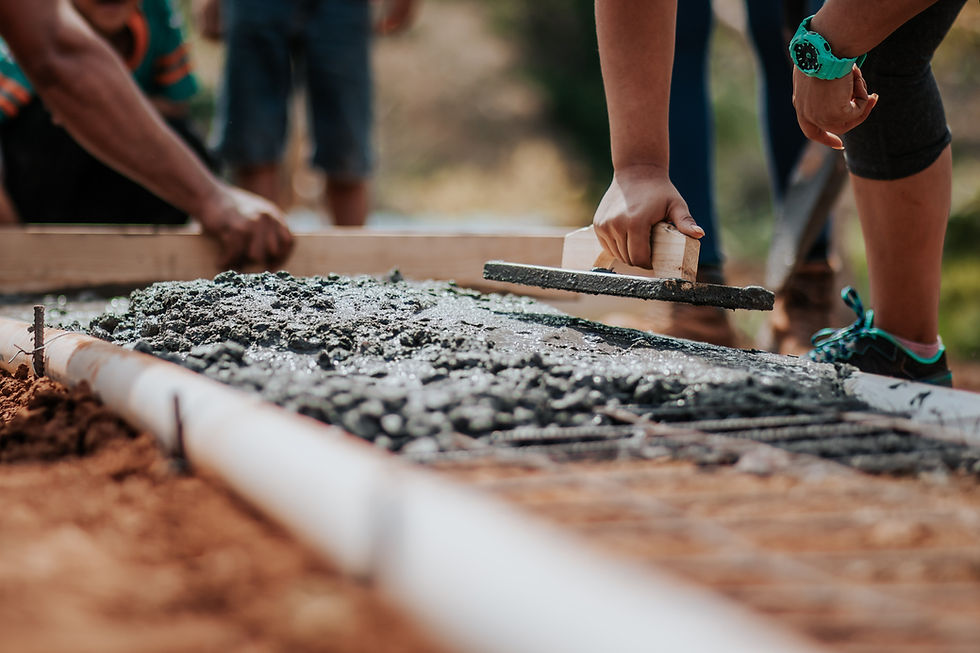
You're about to choose the pavers. You've measured the area. You're ready to go. But before you order a tonne of crusher dust or lay your first bedding sand, there's one question worth answering: is right now actually the best time to lay pavers on the Sunshine Coast?
Timing your paving project correctly isn't just about convenience — it directly affects how well your base sets, how your concrete cures and whether your finished surface stays level and locked in for years to come.
The Sunshine Coast has a distinct seasonal rhythm. Summers are hot, humid and usually storm-heavy. Winters are dry, mild and perfect for structural work. And Autumn? Autumn is the sweet spot most people forget about.
In this guide, you'll learn exactly when the best time to lay pavers on the Sunshine Coast is, why the season matters more than most DIYers expect, what materials you'll need to do the job properly, and when to hold off entirely.
Let's get into it.
When Is the Best Time to Lay Pavers on the Sunshine Coast?
The best time to lay pavers on the Sunshine Coast is during late Autumn and Winter — May through October. Cooling temperatures, lower humidity and reduced rainfall create ideal conditions for base compaction, concrete curing and jointing sand to set without interruption.
The end of Autumn (late April–May) offers drying ground and stable conditions, making it ideal for both DIY projects and trade work. Winter (June–July) is the dry build season and the most reliable structural paving window of the year. Spring (August–October) is still workable, though rising humidity can affect curing times. Summer (November–February) is best avoided entirely — storm season brings base washout and ground instability that can undo weeks of work.
Why Autumn Is the Best Season to Lay Pavers on the Sunshine Coast
If you've ever wondered why the tradies seem to be smashing out paving jobs in March and April rather than January, this is why.
Lower Rainfall Means a Stable Base
Autumn marks the end of the Sunshine Coast's wet season — and from March onwards, ground conditions firm up significantly. A stable, dry base isn't a nice-to-have. It's non-negotiable for pavers that stay level long-term.
When summer rain saturates the subsoil, it creates a soft, unstable foundation. Pavers laid on that kind of ground will shift, sink or crack within months — no matter how carefully you've laid them. Let the ground dry out properly first, and you're building on something solid.
Concrete and Sand Cure More Predictably
Autumn temperatures on the Sunshine Coast typically sit between 18–26°C — and that range is close to ideal for cement, concrete blend and jointing sand to cure at a controlled, even rate.
High summer humidity is deceptive. It accelerates surface drying while leaving the base undersaturated — one of the most common causes of paver failure that homeowners never see coming.
Comfortable Working Conditions
Autumn on the Sunshine Coast is genuinely pleasant — low humidity, and long days. Tradies schedule structural paving jobs heavily in Autumn and Winter for exactly this reason. For DIY homeowners, it means you can work longer hours without heat exhaustion turning a weekend project into a two-day slog.
What Materials You'll Need to Lay Pavers Properly
Before you start, here's what a properly built paving project actually requires — and why cutting corners on any one of these will cost you later.

Pavers & Steppers
These are your surface layer — available in a range of styles, sizes and finishes to suit any outdoor space. Choosing the right paver for the Sunshine Coast climate means selecting for UV resistance and slip rating. The Queensland sun fades cheap finishes fast, and a slippery paver around a pool or garden path is a problem you don't want to discover after the fact.
Crusher Dust
Crusher dust is the most critical base layer in any paving job. It compacts firmly, drains well and gives your pavers a stable platform that holds its shape over time. For foot traffic areas, you're looking at 50–75mm depth. For driveways, go to 100mm. Skimping on this layer is the single biggest mistake DIYers make.
Bedding Sand
Laid over the crusher dust, bedding sand provides a level, adjustable surface for paver placement. A typical depth of 20–30mm gives you enough flexibility to get each paver sitting perfectly flat before it's locked in.
Cement & Concrete Blend
Used for border edging, step construction and locking perimeter pavers in place. Autumn curing conditions make cement applications significantly more reliable than anything attempted in the heat and humidity of a Sunshine Coast summer.
Garden Edging
Garden edging holds the paving perimeter rigid and prevents lateral creep over time. It's one of the most overlooked elements of a DIY paving project — and one of the most common causes of long-term failure. Without it, even a beautifully laid patio will start to spread and shift at the edges within a few years.
When NOT to Lay Pavers on the Sunshine Coast
Knowing when not to start is just as important as knowing when to go ahead.
Summer Storm Season (December–February)
The Sunshine Coast averages its heaviest rainfall between December and March — and that alone should give any paving project pause. Heavy rain events wash out bedding sand and prevent base compaction from holding. Ground saturation causes uneven settling, meaning pavers crack or lift within months of being laid. And high humidity prevents jointing sand and sealers from curing correctly, leaving you with a surface that looks finished but isn't.
It's a lot of work to undo. Better to plan ahead and wait for the right window.
Immediately After Heavy Rain
Even outside of summer, laying pavers on wet or saturated ground is a mistake. This catches a lot of DIYers out — a week of dry weather in June feels like the perfect opportunity, but if you've had a solid rain event in the days before, the subsoil is still holding moisture you can't see from the surface.
The rule of thumb: wait at least 3–5 dry days after significant rainfall before starting base preparation.
Pro Tip: Check the Bureau of Meteorology 7-day forecast before ordering materials — not just the day you plan to start. A dry Tuesday means nothing if Thursday is forecast to bring 40mm of rain.
Cost and Planning Considerations by Season
Timing your project right doesn't just protect your finished result — it can also save you money.
Buy in Bulk and Save on Delivery
Ordering all your materials in a single delivery reduces cost and eliminates the scheduling headaches that come with multiple trips or split orders. At The Yard, we supply everything from bagged through to bulk quantities — so one order can cover your pavers, crusher dust, bedding sand and cement in a single run. That's one delivery fee, one booking and one less thing to coordinate.
Use a Courtesy Trailer — No Ute Required
One of the biggest barriers for homeowners tackling a paving project is the logistics of getting bulk materials home. Borrow one of our courtesy trailers and save yourself the stress of logistical challenges.
Order Early in the Season
Autumn is peak paving season for tradies across the Sunshine Coast — and popular paver styles can sell out faster than most people expect. Ordering in late February or early March secures your stock before the rush hits.
Build It Right the First Time
A paving project done properly will last decades. One done in a hurry, with the wrong materials or in the wrong season, will show its problems within a year — and fixing it costs more than doing it correctly from the start.
Beyond the aesthetics, the fundamentals come down to four things:
The right season — Autumn and early Winter on the Sunshine Coast give you the stable, dry conditions that base compaction and curing demand
The correct base depth — 50–100mm of compacted crusher dust depending on the application, with 20–30mm of bedding sand on top
Quality materials — UV-resistant pavers, properly graded crusher dust, and cement that's been stored correctly and hasn't absorbed moisture
Proper curing time — don't rush jointing sand or cement applications; let each layer do its job before moving to the next
Get these four things right, and your finished surface will still be looking sharp long after the neighbours have had to relay theirs.
Ready to Lay Pavers on the Sunshine Coast? The Yard Has Everything You Need
If Autumn is your window — and it should be — now is the time to get your materials sorted before the season fills up and popular paver styles sell out.
At The Yard, we stock everything a paving project requires from the ground up: crusher dust, bedding sand, pavers and steppers, cement, concrete blend and garden edging. Bagged or bulk. One order, one delivery, one less thing to stress about.
Not sure how much you need? Come in and talk to the team. We'll work out quantities with you on the spot — no guesswork, no over-ordering, no second trips.
Open from 6:30am — collect your materials and be on-site by 8am
Bulk and bagged supply — suits DIY homeowners and trade alike
Expert advice on-site — real answers from people who know the products
Visit us at The Yard or call ahead to check stock and arrange delivery across the Sunshine Coast.


